Ambulance Car Satrasaya
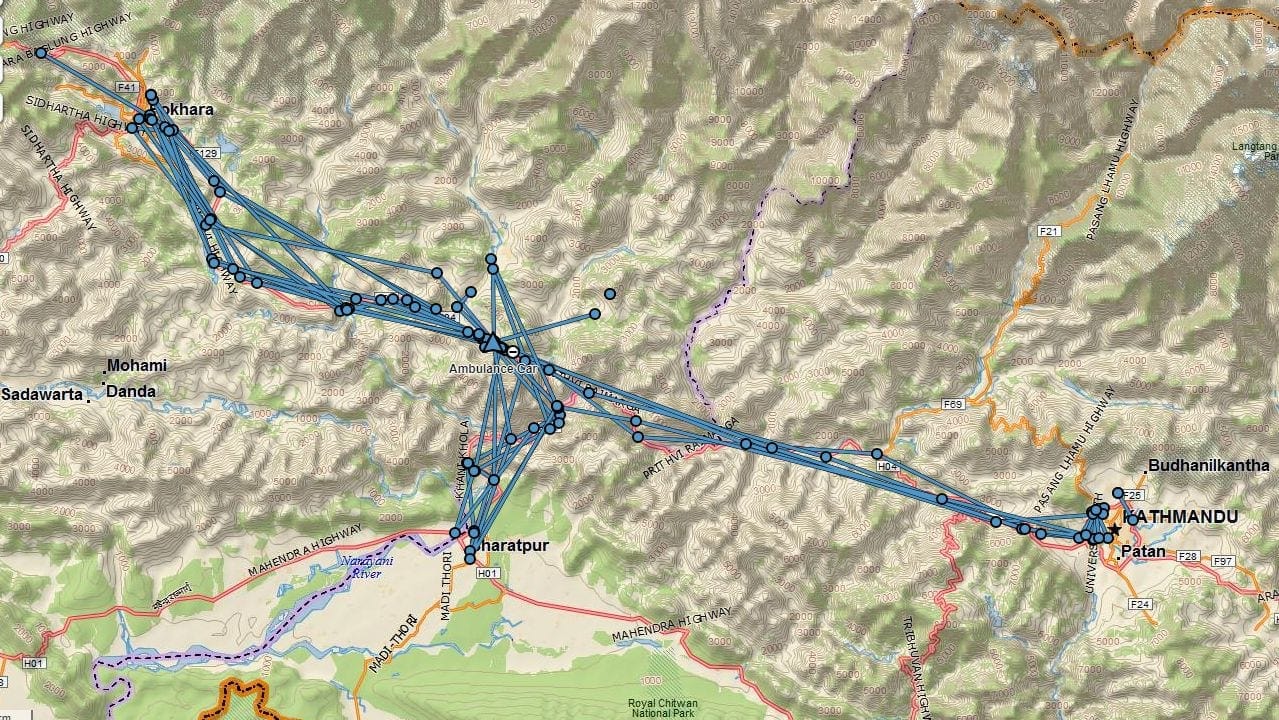
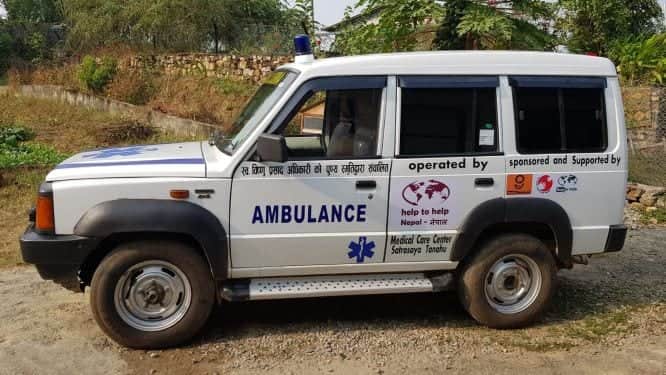
Ambulance stationed at the health station – operating radius as far as Kathmandu, Pokhara and Chitwan.
- stationed since
- 17.02.2018
- to Kathmandu
- 140 km
- driving time each way
- 4–6 h
- Drive
- 4×4
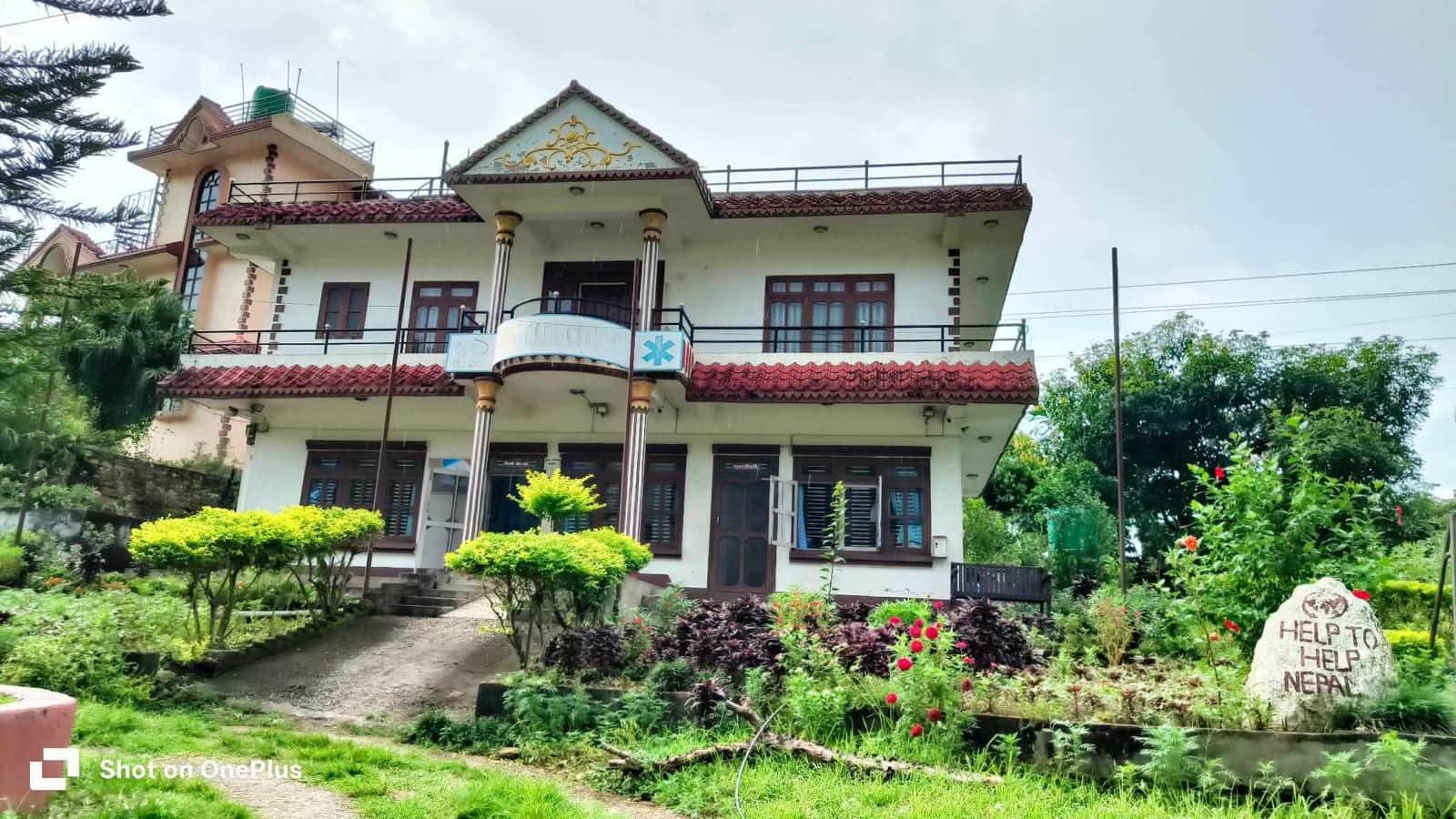
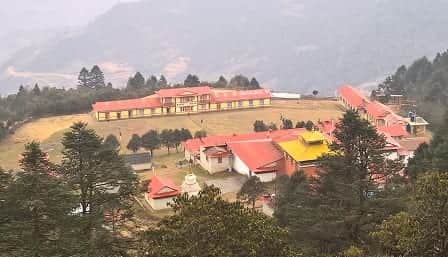
The small village of Satrasaya is part of the Aanbu-1 municipality in Tanahu District. Since 17 February 2018 an ambulance has been stationed at the MedicalCare Center. It takes patients from the station for further treatment to the nearest hospital or to a specialist clinic in Pokhara or in the capital, Kathmandu.
The vehicle is also available for transfers between hospitals far beyond the centre’s catchment area. Its operating radius extends east to Kathmandu, west to Pokhara and south into Chitwan National Park.
Why a Tata and not a European vehicle
After consulting our colleagues in Nepal, we deliberately chose a locally produced model. Vehicles from this manufacturer are everywhere in Nepal, there are plenty of service stations for maintenance and repairs, and drivers are familiar with these vehicles, which are not highly technical.
It is also important for patients that they are not put under additional emotional strain by being loaded into a means of transport that is unfamiliar to them. The vehicle has a robust diesel engine and, because of the infrastructure in the area where it operates, four-wheel drive.
The equipment is basic – deliberately
In line with official requirements, there is an acoustic and visual warning system, an oxygen cylinder with the necessary equipment, and dressings. Lying comfortably is out of the question. In the patient compartment there is a bench for relatives – they usually travel along, because at the hospital they are responsible for settling the costs and often also for the patient’s care.
Upgrading the equipment can only go hand in hand with training and further education for the medical staff. Providing a device that nobody knows how to use helps nobody.
A radio and a tracker that sends an hourly position report via satellite have since been fitted. With a distance of 140 km, a trip to Kathmandu takes four to six hours depending on traffic – a single call-out may take a whole day.
From the project
Support this project
For an earmarked donation, simply put the keyword “Ambulance Car” in the payment reference – your donation will then go exactly here.